What’s Really in Your Chicken?
Rethinking Meat & Protein — Part 1
Have you ever stopped to think about the chicken you’re eating?
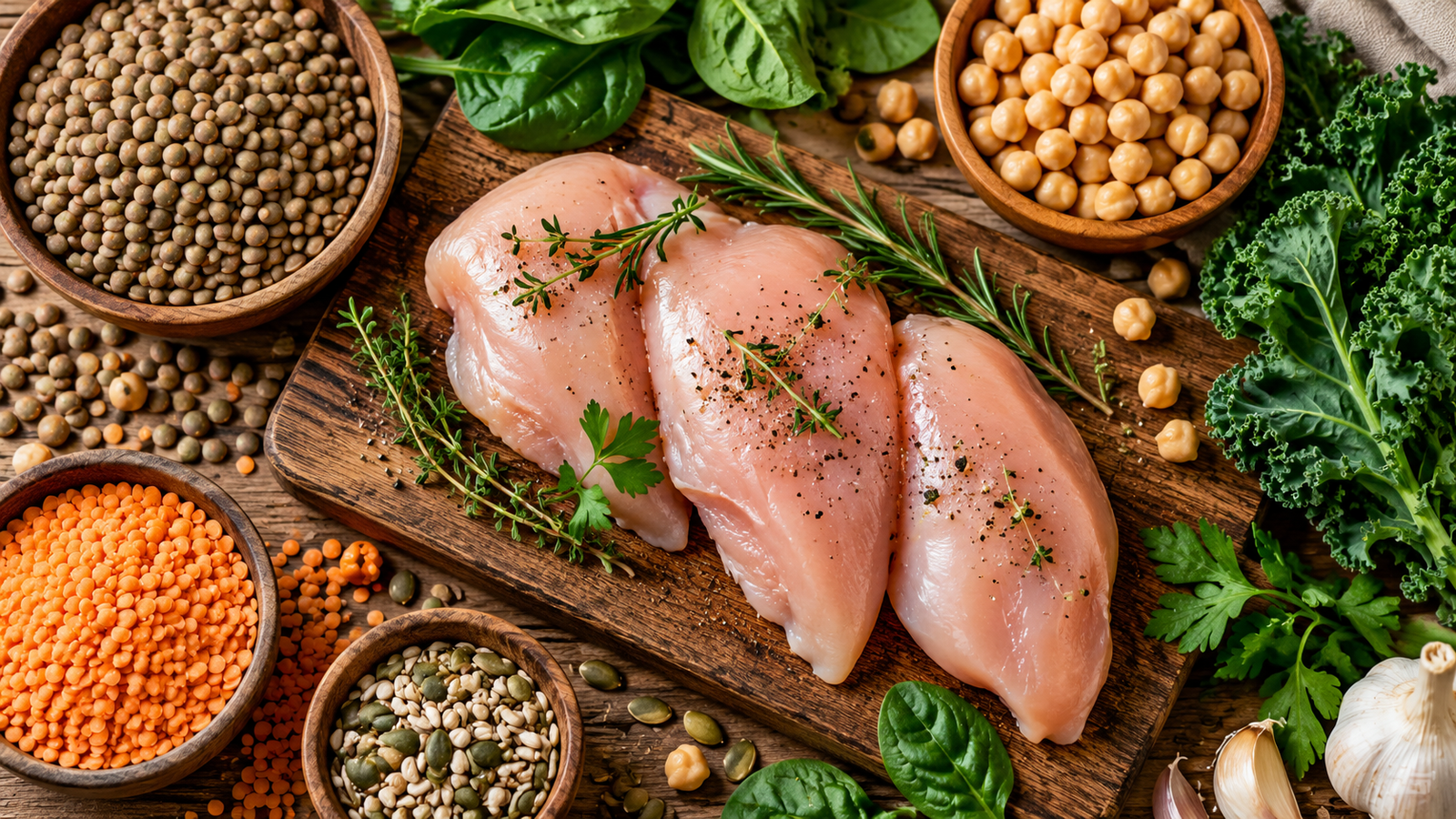
Chicken is probably one of the most common meats on our dinner tables. We bake it, fry it, grill it, and put it in just about everything.
For years, we’ve been told that chicken is one of the healthier meats because it’s lean and packed with protein.
But here’s my question: Just because something contains protein, does that automatically make it the healthiest choice for our bodies?
Today, I want us to look a little closer at what’s happening before that chicken reaches our plates.
1. What’s Happening in Commercial Chicken Production?
Years ago, raising chickens looked very different from many of today’s large-scale commercial operations.
Today, chickens can be raised in large facilities, often with thousands of birds living together. Commercial production is designed to supply a tremendous demand for chicken while keeping costs down.
And while that makes chicken affordable and accessible, it also raises questions about animal welfare, sanitation, and how these birds are raised.
Modern meat chickens have also been selectively bred to grow faster and develop larger breasts.
That doesn’t automatically mean the meat is unsafe, but it does make me wonder how much we really know about the food we’re buying.
2. Let’s Talk About Bacteria — and Washing Chicken!
Here’s something that might surprise you.
According to the Centers for Disease Control and Prevention (CDC), approximately 1 in every 25 packages of chicken at the grocery store is contaminated with Salmonella.
The CDC also estimates that about 1 million Americans become sick each year from eating contaminated poultry.
Now, that doesn’t mean everyone who eats chicken will become sick. Proper handling and cooking can significantly reduce these risks.
But let’s talk about something that always seems to start a debate in the kitchen.
Washing chicken! 😂
Now, I know the CDC recommends that we don’t wash raw chicken because of the possibility of spreading bacteria around the kitchen.
But let me tell you something. Personally, I’m going to wash my chicken!
I’ve been washing chicken for over 30 years, and the amount of gunk and residue I’ve seen come off chicken is not exactly pleasing to look at. I honestly couldn’t imagine preparing it without washing it first.
But here’s the funny thing. When we go out to restaurants, we know they may not be washing their chicken. So we’re basically in a catch-22!
When I buy chicken, I’m washing it. When I go to a restaurant, I pray! 😂
Now, that doesn’t mean we should ignore food safety.
The CDC advises against washing raw chicken because splashing water can spread harmful bacteria onto countertops, sinks, utensils, and nearby foods. Washing doesn’t reliably remove those bacteria, and my years of doing it don’t eliminate that risk.
If you choose to wash your chicken, be especially mindful of splashing water and anything the raw chicken touches.
After handling raw chicken, thoroughly clean your sink, countertops, cutting boards, and utensils with hot, soapy water.
For surfaces that need sanitizing, you can use:
- A kitchen disinfectant labeled effective against Salmonella and suitable for food-contact surfaces, following its instructions.
- A properly diluted, unscented household bleach solution, prepared according to the product label and food-contact surface directions.
Never mix bleach with vinegar, ammonia, or other cleaners.
And don’t forget to wash your hands thoroughly and cook chicken to an internal temperature of 165°F.
At the end of the day, we all have our personal kitchen routines. Mine includes washing my chicken, but I also believe in understanding the risks and taking food safety seriously.
3. What About Antibiotics and Hormones?
This is where there’s a lot of confusion.
First, let’s clear something up.
Growth hormones are not approved for use in chickens raised in the United States.
However, antibiotics may be used in poultry production.
Antibiotics can help treat and control bacterial diseases in animals, but their use also raises concerns about antibiotic-resistant bacteria.
Antibiotic resistance happens when bacteria develop the ability to survive medications that would normally kill them.
And that matters because antibiotic-resistant infections can become more difficult to treat in humans.
Federal regulations require waiting periods after certain antibiotic treatments before chickens can be processed, and the USDA monitors antibiotic residues.
So the concern isn’t simply that every piece of chicken contains antibiotics. It’s also about how antibiotic use in food production can contribute to the larger problem of resistance.
4. Is All Chicken the Same?
Absolutely not!
There’s a difference between fresh chicken, heavily breaded and fried chicken, and processed chicken products.
Some processed poultry products contain substantial amounts of sodium, preservatives, and other added ingredients.
Research has also linked higher consumption of processed meat to an increased risk of colorectal cancer.
According to the World Health Organization, eating approximately 50 grams of processed meat daily has been associated with an 18% increase in relative colorectal cancer risk.
That research concerns processed meat, which can include certain processed poultry products. It does not mean that eating a fresh chicken breast carries the same risk.
This is why I always encourage people to look beyond the front of the package and actually read the ingredients.
5. So, Should We Stop Eating Chicken?
That’s a decision each person has to make for themselves.
My goal isn’t to tell you what you can or cannot eat.
My goal is to encourage you to become more aware of what you’re putting into your body.
Chicken provides protein and important nutrients, but that doesn’t mean it’s the only way to nourish ourselves.
And that brings me to a bigger question.
Why have we been taught that we need meat to get protein?
After all, protein isn’t something that exists only in animals. Plants contain protein, too!
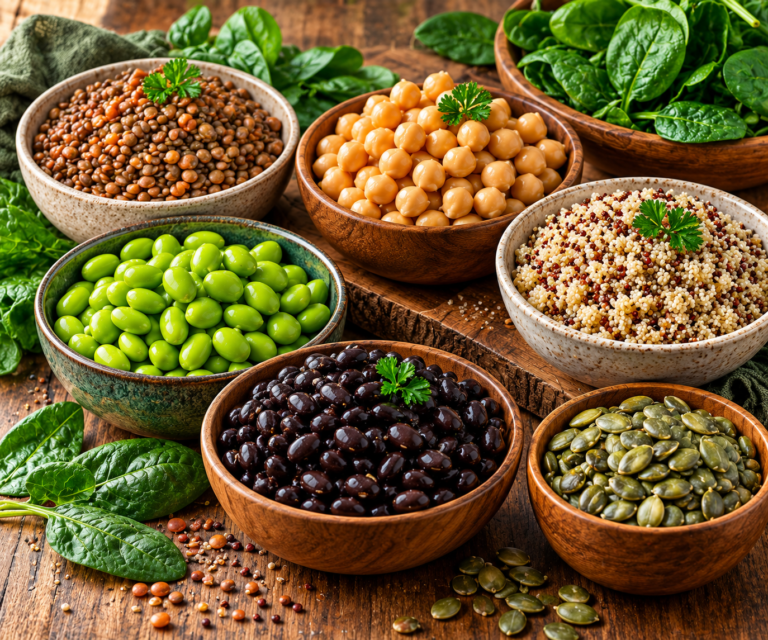
Beans, lentils, nuts, seeds, and many other plant foods provide amino acids that our bodies use to build proteins.
So perhaps the conversation shouldn’t simply be about which meat is healthier.
Perhaps we should also be asking whether we need to depend so heavily on meat in the first place.
Final Thoughts
I believe that understanding our food is one of the most important steps we can take toward making informed choices about our health.
That means looking at how our food is raised, processed, prepared, and consumed.
It also means being willing to question things we’ve always accepted as normal.
You don’t have to change everything about your diet overnight. Sometimes, simply becoming more informed is the beginning of making better choices.
Food for thought: If you knew more about how your chicken was raised and processed, would it change how often you ate it?
Coming Next: Part 2 — Do We Really Need Meat for Protein?
We’re going to explore where protein comes from, how our bodies use it, and whether a plant-based diet can provide everything we need.
Because you might be surprised by what you discover!
👉 Read Part 2: Do We Really Need Meat for Protein?
Sources and Further Reading
- CDC — Chicken and Food Poisoning
- CDC — About Salmonella Infection
- USDA — Chicken From Farm to Table
- USDA — National Antimicrobial Resistance Monitoring System
- World Health Organization — Red and Processed Meat and Cancer
Disclaimer: This article is for educational and informational purposes only and is not intended to replace professional medical or nutritional advice. Individual dietary needs vary. Consult a qualified healthcare professional before making significant dietary changes.