Do We Really Need Meat for Protein?
Rethinking Meat & Protein — Part 2
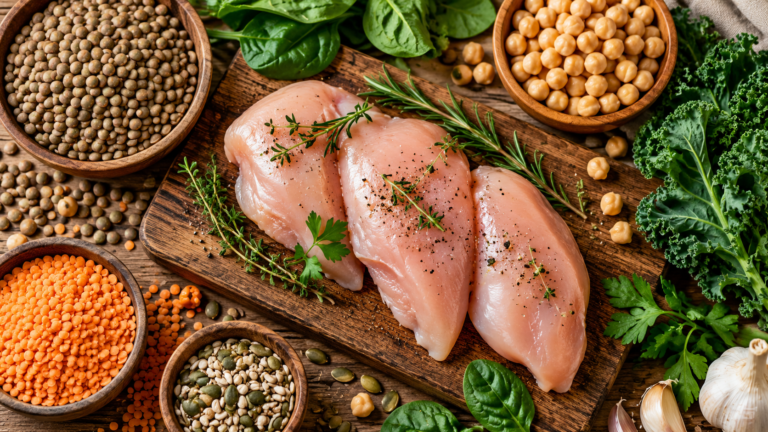
Missed Part 1? Read What’s Really in Your Chicken?
When you hear the word protein, what’s the first food that comes to mind?
Chicken? Beef? Fish? Eggs?
For years, we’ve been taught that meat is one of the best ways to get protein. And while meat certainly contains protein, here’s a question I want you to think about:
Do we actually need to eat meat to get the protein our bodies need?
The answer might surprise you.
Let’s Start With Amino Acids
Before we talk about meat versus plants, we need to understand what protein actually is.
Protein is made up of smaller building blocks called amino acids.
Think of amino acids like individual pieces of a puzzle. When those pieces come together, they form proteins that your body uses for many important jobs.
Protein helps your body:
- Build and repair muscles and tissues
- Produce enzymes and certain hormones
- Support your immune system
- Maintain healthy skin, hair, and other body structures
Your body uses 20 common amino acids to build proteins. Nine of those are considered essential because your body cannot produce them in sufficient amounts.
That means you have to get them through your diet.
The 9 Essential Amino Acids
Here are the nine essential amino acids your body needs:
- Histidine
- Isoleucine
- Leucine
- Lysine
- Methionine
- Phenylalanine
- Threonine
- Tryptophan
- Valine
Now, here’s where things get interesting.
All nine essential amino acids can be obtained from plant-based foods.
That’s right! Your body doesn’t require chicken, beef, or fish specifically. It requires nutrients, including essential amino acids, that can come from different food sources.
But Isn’t Meat a Complete Protein?
You’ve probably heard someone say that meat is a complete protein.
A complete protein contains all nine essential amino acids in adequate proportions.
Animal foods are generally considered complete proteins, but they aren’t the only ones.
Certain plant foods, including soybeans and quinoa, also provide all nine essential amino acids in useful amounts.
Other plant foods may be lower in one or more essential amino acids relative to your body’s needs. But that doesn’t mean they’re useless or that you need to eat meat alongside them.
By eating a variety of plant foods throughout the day, you can obtain the essential amino acids your body needs.
And no, you don’t have to combine beans and rice at every single meal to make that happen!
Let’s Talk About Plant-Based Protein
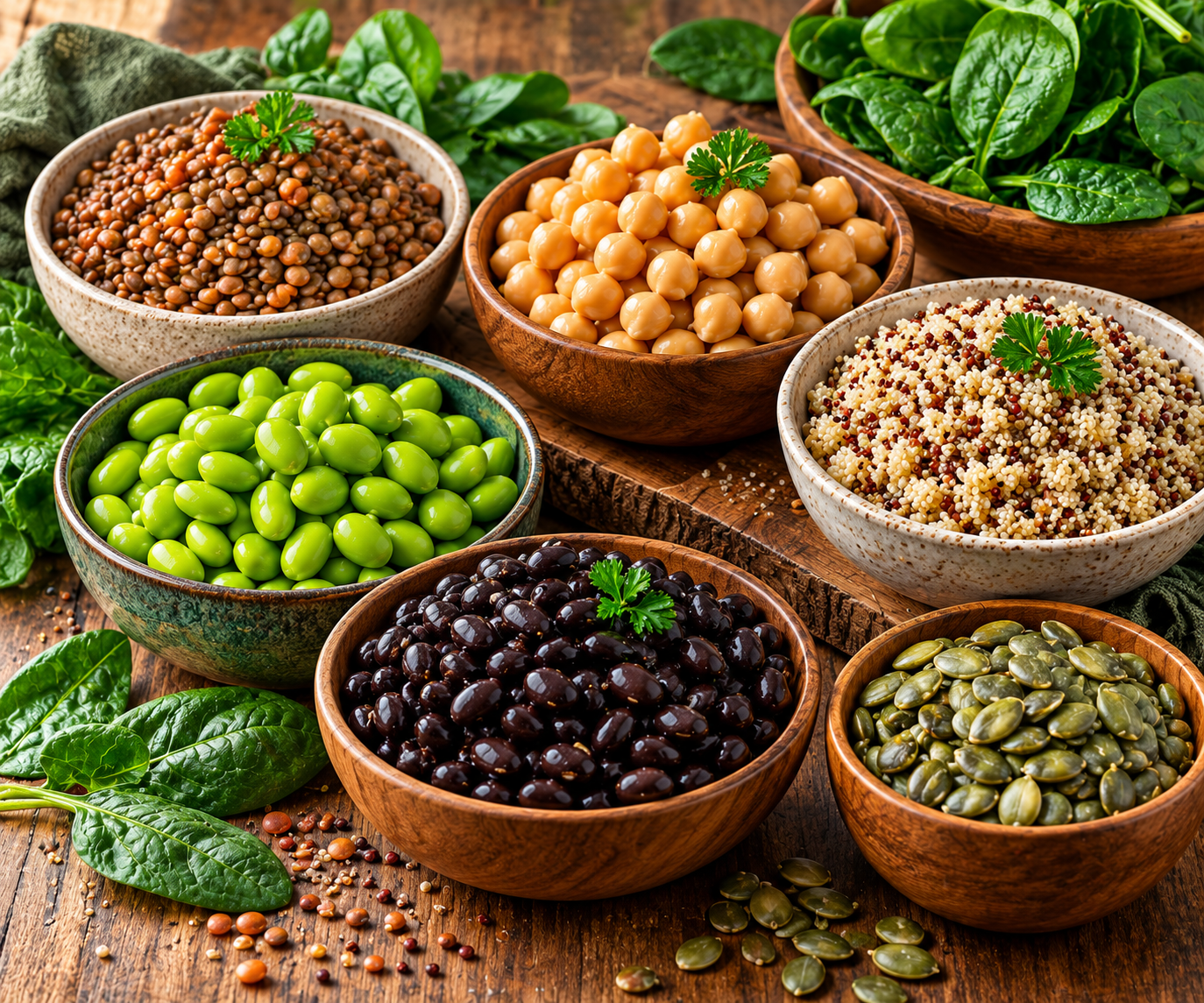
You might be surprised how much protein some everyday plant foods contain.
Here are a few examples:
| Plant-based food | Approximate protein |
|---|---|
| Lentils, 1 cup cooked | 18 grams |
| Chickpeas, 1 cup cooked | 14–15 grams |
| Edamame, 1 cup cooked | 18 grams |
| Black beans, 1 cup cooked | 15 grams |
| Quinoa, 1 cup cooked | 8 grams |
| Pumpkin seeds, 1 ounce | 8 grams |
And that’s just the beginning!
Other sources include hemp seeds, peanuts, almonds, split peas, oats, and many more.
Now imagine combining some of these foods throughout your day.
You could have oatmeal with pumpkin seeds for breakfast, lentil soup for lunch, and a bowl of black beans, quinoa, and vegetables for dinner.
You’re getting protein from several different sources without having to include meat in every meal.
So Why Have We Been So Focused on Meat?
Meat is a concentrated source of protein, and it’s familiar to many of us. It’s often the centerpiece of the meal.
Think about how we plan dinner.
We usually ask, “What meat are we having?”
Then we figure out the vegetables and sides.
But what if we started thinking differently?
What if we built our meals around vegetables, beans, lentils, whole grains, nuts, and seeds—and treated meat as an occasional addition rather than the main attraction?
For someone who wants to cut back on chicken or other meats, that can be a practical place to start.
Does That Mean Everyone Should Stop Eating Meat?
Not necessarily.
I’m not here to tell you that everyone must become vegetarian or vegan.
My goal is to encourage you to become more aware of what you’re eating and understand that you have options.
A well-planned plant-based diet can provide adequate protein, but you still need to eat enough food, include varied protein sources, and pay attention to nutrients such as vitamin B12, iron, calcium, and zinc.
The goal isn’t simply to remove meat from your plate. It’s to replace it with foods that nourish your body.
Here’s What I Want You to Remember
Your body needs protein. It does not specifically need meat.
There is a difference.
You can enjoy a meal without chicken and still provide your body with the essential amino acids it needs.
Start small. Try replacing chicken in one meal with lentils, chickpeas, or beans. Experiment with foods you may not normally eat.
You might discover that eating more plant-based meals is easier—and more enjoyable—than you expected.
And remember, this conversation isn’t about taking something away from you.
It’s about showing you what else is available. 🌱
Coming Up in Part 3
We’ve talked about chicken. We’ve talked about protein.
But here’s another interesting question:
What did the Bible originally say about food?
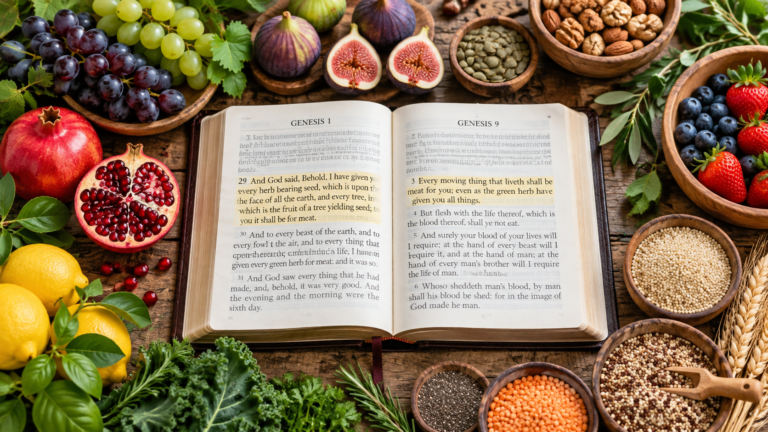
In Part 3 of Rethinking Meat & Protein, we’re going all the way back to Genesis 1:29 to explore the original diet described in Scripture.
👉 Read Part 3: The Original Diet: What Did God Really Intend for Us to Eat?
Disclaimer: This article is for educational purposes only and is not intended to replace individualized medical or nutritional advice.