What Does Eating For How You Feel Mean? | How Food Affects Mood, Energy, and Digestion
Have you ever eaten something and it just didn’t sit well with you?
Later you might think to yourself, “Man… I probably should not have eaten that.”
Or maybe you’ve had a headache and at some point wondered if it had something to do with what you ate earlier in the day.
Most of the time people don’t stop to ask themselves those questions. We eat because we’re hungry, because something tastes good, or simply because the food is there.
But sometimes our bodies are actually trying to tell us something.
Food does more than just fill our stomachs. The foods we eat can influence how we feel physically, mentally, and emotionally. That’s where the idea of eating for how you feel comes in.
Instead of only focusing on calories, diets, or restrictions, this approach asks one simple question:
How does this food make my body feel?
Once you start asking yourself that question, your relationship with food begins to change.
Food stops being just something you eat, and it becomes something that can support your energy, mood, digestion, and overall wellness.
Food Affects Your Mood
The foods we eat can actually influence how we feel emotionally.
Whole foods that contain vitamins, minerals, and healthy fats help support the brain and nervous system. When the body receives proper nutrients, it can make a difference in how stable and balanced we feel throughout the day.
For example:
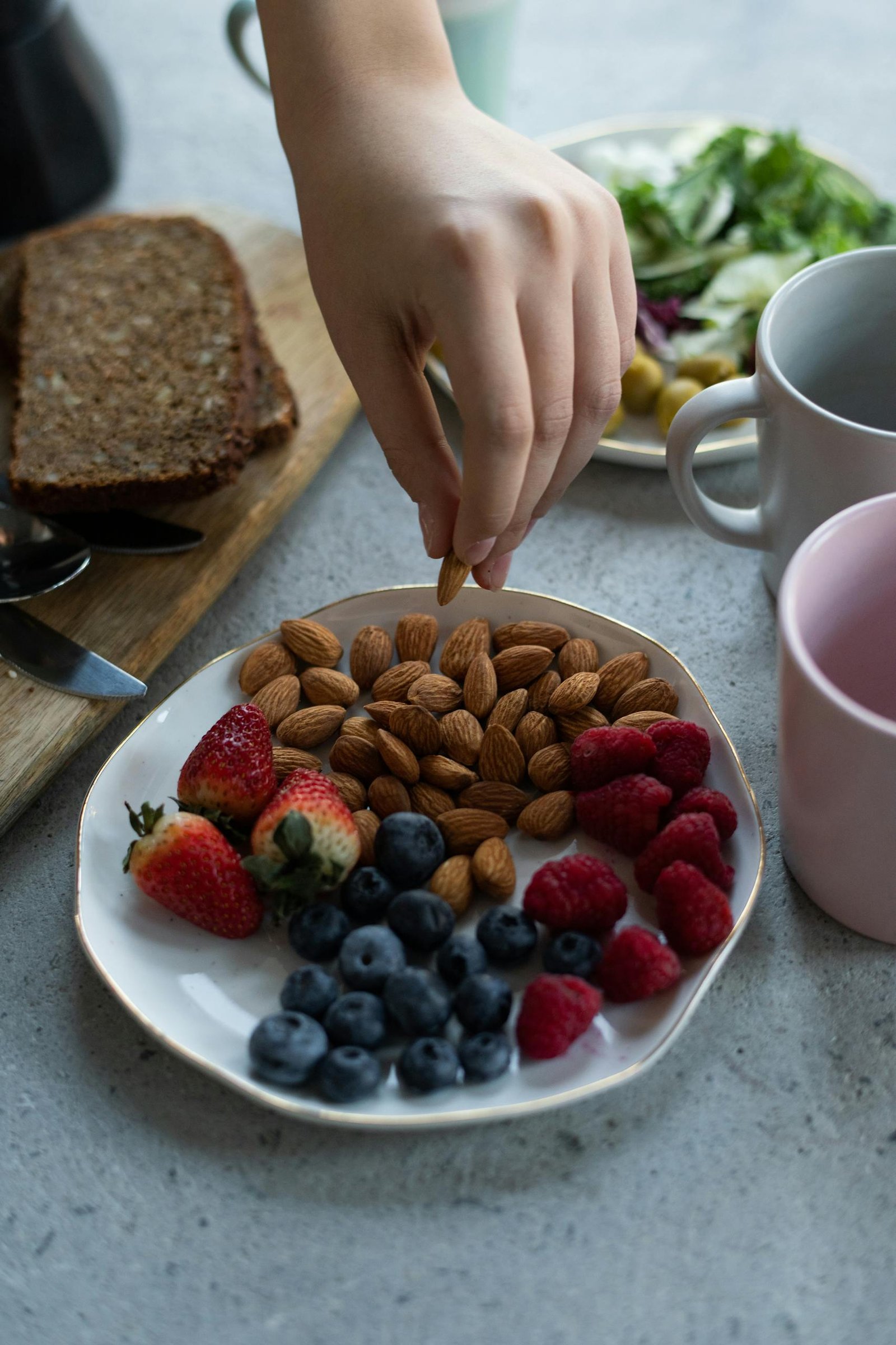
- Fresh fruits can feel energizing and refreshing
- Leafy greens often support clarity and focus
- Nuts and seeds provide lasting energy
- Highly processed foods may leave us feeling sluggish or tired
Once you start paying attention to how food affects your mood, you may begin noticing patterns in how your body responds.
Food Affects Energy Levels
Have you ever eaten something and felt full of energy afterward?
Then another time you ate something different and felt like you needed a nap?
That’s your body communicating.
Foods rich in natural nutrients — such as fruits, vegetables, whole grains, and healthy fats — often support steady energy throughout the day.
On the other hand, foods high in refined sugars or heavily processed ingredients can sometimes lead to a quick burst of energy followed by a crash.
When you start eating for how you feel, you begin choosing foods that support your natural energy rhythm instead of working against it.
Food Affects Digestion
Digestion is another powerful signal your body gives you.
Some foods feel light and easy to digest, while others may cause bloating, heaviness, or discomfort. Paying attention to how your body feels after eating can help you better understand which foods work well for you.
Every person’s body is different.
What works well for one person may not work the same way for someone else. That’s why eating for how you feel is really about learning what works best for your body.
Paying Attention to Your Body
Sometimes people already know certain foods may not be the best choice for them.
Maybe you know that rib or that extra piece of cake might feel good in the moment, but later in the day you might feel the effects of it.
That’s when you may pause and ask yourself:
How does this food make me feel?
And maybe even ask yourself another honest question:
Am I willing to deal with how my body might respond afterward?
If we’re honest, most of the time we still eat it anyway and deal with the consequences later.
And that’s okay. This isn’t about being perfect.
It’s simply about becoming more aware.
Once you begin paying attention to your body, you may start to pinpoint why you feel the way you do and what small changes might help you feel better.
Food as Daily Self-Care
Eating for how you feel is not about strict rules or removing foods you enjoy.
It’s about awareness and learning to listen to your body.
Over time, this awareness can help create healthier habits that support:
- balanced energy
- better digestion
- improved mood
- overall wellness
When you slow down and start noticing how foods affect you, food becomes more than just something you eat.
It becomes a simple form of daily self-care.
A Simple Way to Start
You can start practicing this approach with one simple habit.
After eating, take a moment and ask yourself:
- Do I feel energized or tired?
- Do I feel light or heavy?
- Do I feel satisfied or still craving something?
These small check-ins help build a stronger connection between you and your body.
If you’re interested in learning more about how natural foods support health, you may also enjoy reading about Biblical foods that have been used for nourishment and healing throughout history.
Final Thoughts
Food is one of the most powerful daily influences on how we feel.
When we become more mindful about the connection between food and the body, we can begin making choices that support our energy, mood, digestion, and overall well-being.
Eating for how you feel is simply about learning to listen to your body and allowing food to support the life you want to live.