Vitamin A Benefits: How It Affects Your Mood, Skin & Energy
Vision. Skin. Immunity. Hormones. This one little vitamin is doing a lot more than you think — and how you feel every single day might depend on it.
Welcome to the Vitamin A–Z Series on Eat for How You Feel — where we break down every essential vitamin and mineral so you can understand exactly what your body needs and why. We’re starting with the basics: Vitamin A.
Not a diet tip. Not a supplement pitch. Just real information about how food affects how you feel — because that’s the whole point, right?
So… what even is Vitamin A?
Vitamin A is a fat-soluble vitamin — meaning your body stores it in fat tissue and your liver for later use. It comes in two forms: retinol (from animal foods, ready to use right away) and beta-carotene (from plant foods like carrots and sweet potatoes, which your body converts into Vitamin A as needed).
Think of it as your body’s quiet maintenance crew — working behind the scenes to keep your eyes, skin, immune system, and hormones running smoothly. When your Vitamin A intake is where it should be, your whole body just works better.
How Vitamin A affects how you feel
This is the part we don’t talk about enough. Vitamin A benefits for women go way beyond just eye health. When your levels are balanced, you might notice:
- Eyes — Clearer vision, especially at night or in dim light
- Skin — That natural skin glow that no product can fully replicate
- Energy — Less sluggishness, more steady energy throughout the day
- Mood — Supports hormone balance, which directly affects how food affects your mood
Notice how that dull, dry, tired feeling creeps in during winter? Your Vitamin A levels might be whispering for attention.
Vitamin A health benefits (the full picture)
- Immune system support — Vitamin A keeps your skin and mucous membranes strong, which are literally your first line of defense against bacteria and viruses.
- Eye health — It produces rhodopsin, a pigment your eyes need to see in low light. Low Vitamin A = slow dark adaptation. It also helps prevent chronic dry eyes.
- Hormonal balance — It plays a direct role in sex hormone and thyroid function. For women especially, this is a bigger deal than most people realize when it comes to holistic nutrition.
- Skin cell renewal — Encourages your skin to shed dead cells and produce fresh new ones. This is why beta-carotene benefits for skin are so well known — it works from the inside out.
- Reproductive health — Supports healthy pregnancies and fetal development. A significant one for women across all stages of life.
Best Vitamin A foods to add to your plate
- Sweet potato — Highest plant source
- Carrots — Beta-carotene rich
- Spinach & kale — Dark greens pack a punch
- Mango & papaya — Sweet and nourishing
- Red bell pepper — Versatile and vibrant
- Pumpkin — An underrated powerhouse
Vitamin A deficiency signs to watch for
Your body will tell you before a blood test does. Common Vitamin A deficiency signs include:
- Night blindness or eyes that take a long time to adjust to darkness
- Dry, rough, or flaky skin that moisturizer just does not fix
- Frequent illness or slow recovery — your immune system support is compromised
- Dry, gritty, or irritated eyes that won’t stay comfortable
- Persistent breakouts even with a clean skincare and diet routine
Always check with your doctor before supplementing. Too much Vitamin A from supplements can be toxic. Getting it from whole foods is always the safest and most natural approach.
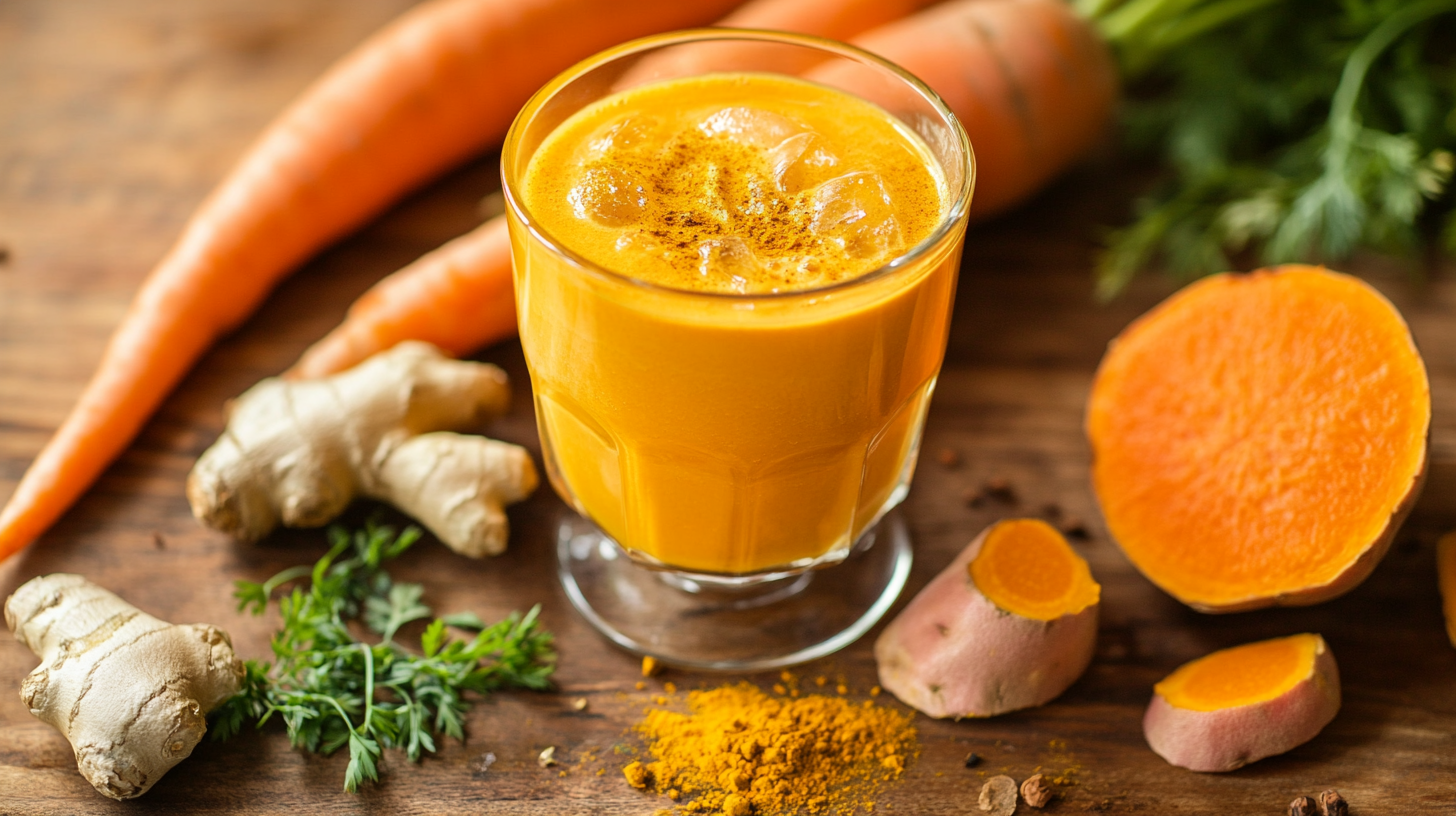
Golden Glow Juice — A Vitamin A juice recipe your body will love
A natural skin glow in a glass. Sweet, earthy, and loaded with beta-carotene benefits.
What you need:
- 3 large carrots
- 1 small sweet potato (peeled, raw)
- 1 orange (peeled)
- 1-inch piece of fresh ginger
- Pinch of turmeric (optional)
How to make it:
- Run the carrots, sweet potato, orange, and ginger through your juicer.
- Stir in a pinch of turmeric for extra anti-inflammatory support.
- Pour over ice and drink immediately. That gorgeous golden color? Pure beta-carotene doing its thing.
Pro tip: Pair with a small handful of nuts or half an avocado. Since Vitamin A is fat-soluble, a little healthy fat helps your body absorb far more of it.
Understanding how food affects your mood, energy, and body is the whole mission here at Eat for How You Feel — and Vitamin A is the perfect place to start.
Up next: Vitamin B — the energy and mood vitamins (yes, there are eight of them). Subscribe so you don’t miss it.